2Armored Burrower✳

UNIT · NEUTRALCOMMON
A NEW COLLECTIBLE CARD GAME / DESIGN JOURNAL
A game you can learn over a coffee,
and keep discovering for years.
A playable creature duel. Two leading theme directions.
Try a match, then help shape the game.
Match length target
Initial set budget
Tabletop rules, digital play
Easy first turns.
Interesting last decisions.
01 / THE GAME UNDERNEATH
Different rules create different decisions. The duel is our first playable test. Territory and creature-team ideas remain alternatives; we have not committed to their extra structure.
Keep the rules small and the decisions rich. Resource reliability, limited response windows, and a visible finish line are our first design levers.
Read the research ↗02 / FINDING THE FEELING
Two leading territories have direct collectible-card lineages. A third is a secondary experiment. Compare the evidence before choosing a treatment.
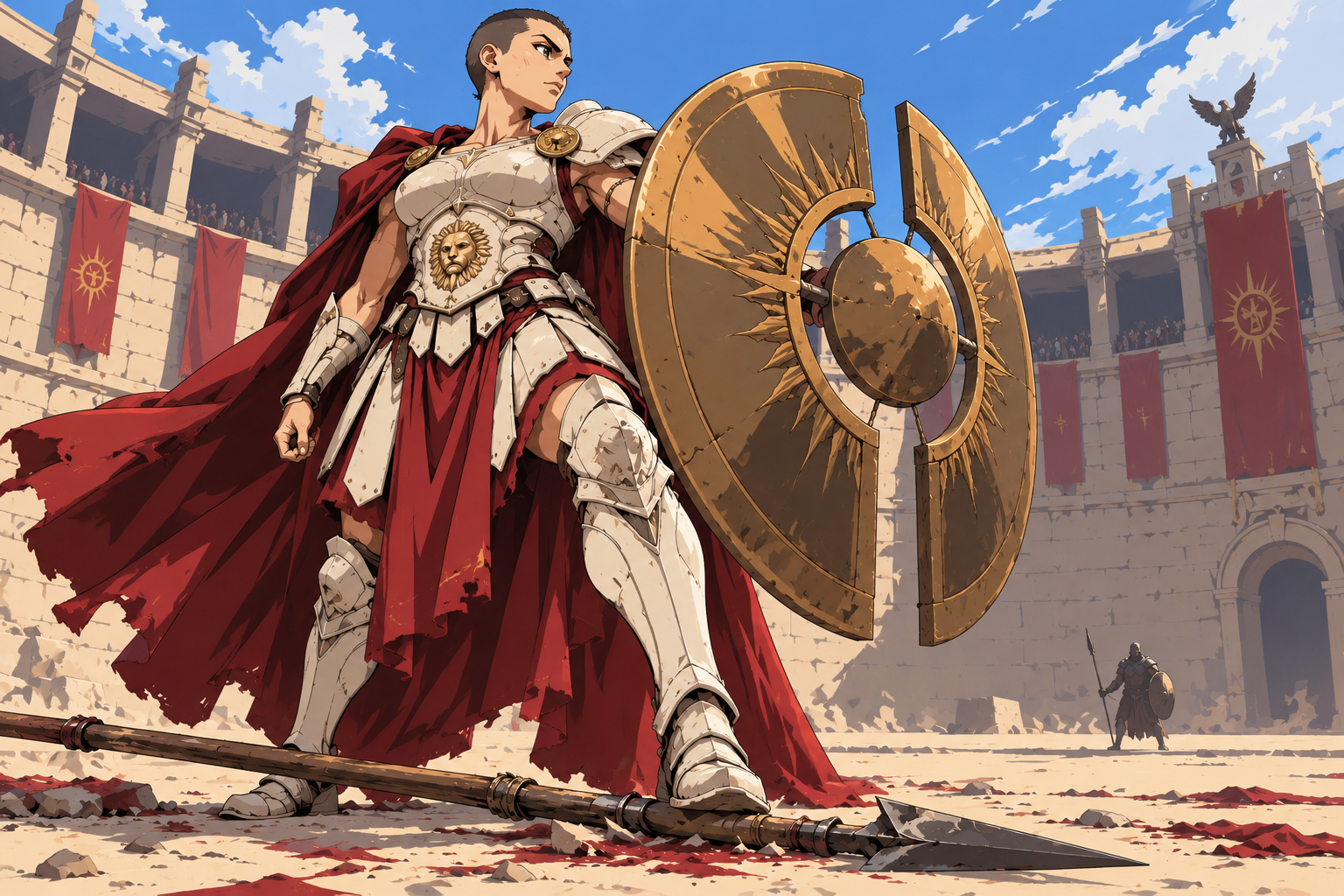
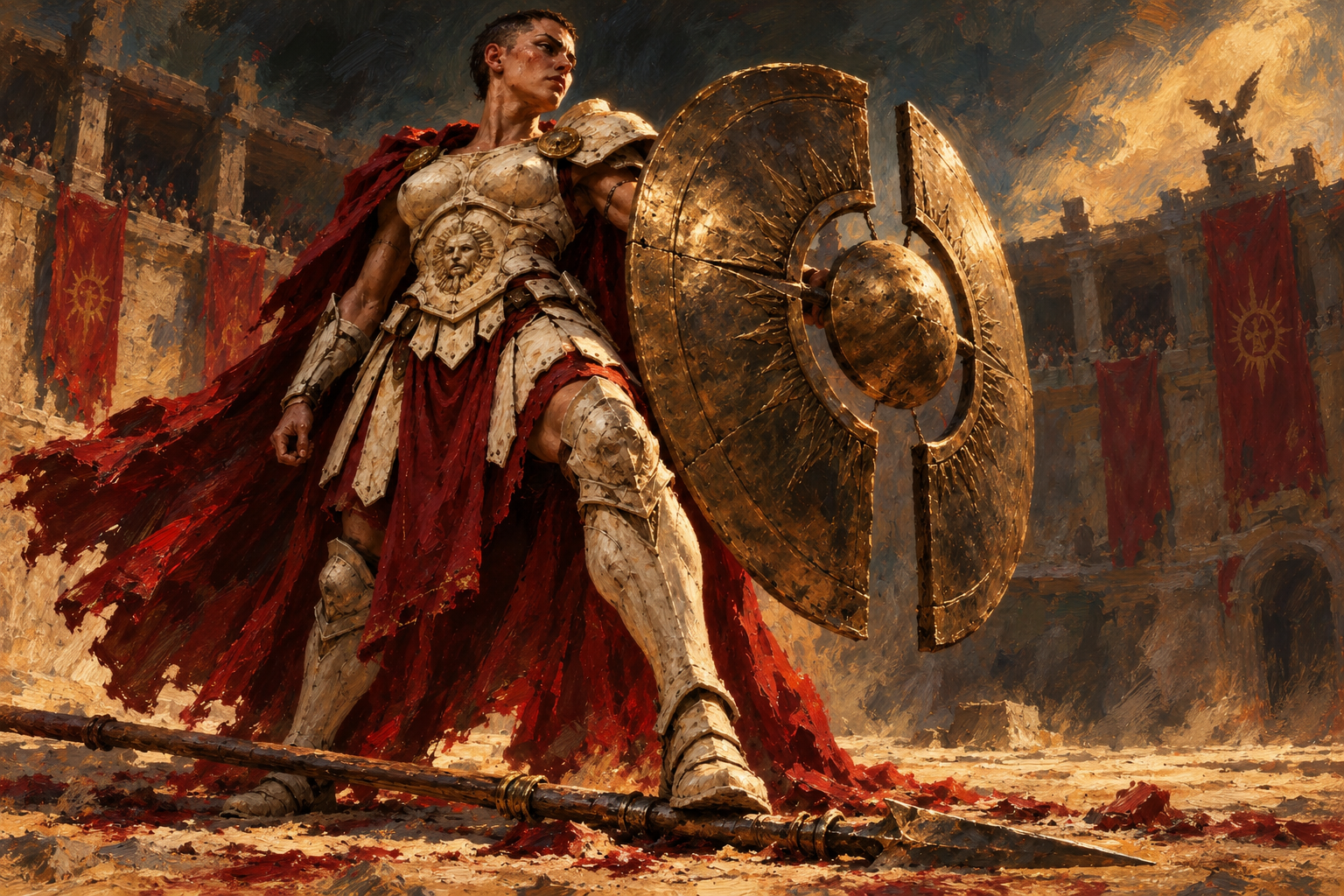
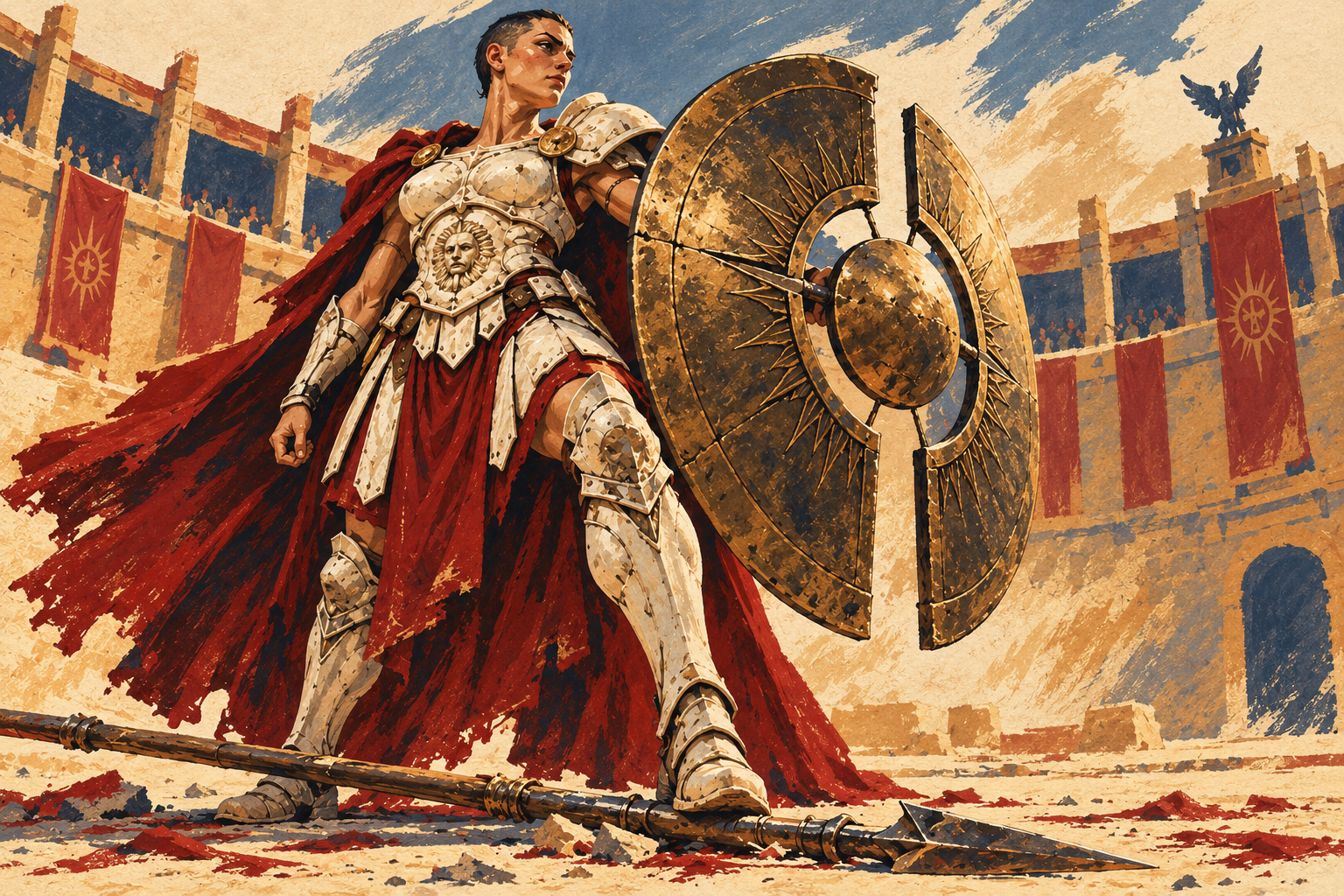
Compare anime, painted dark fantasy, and ink-and-gouache illustration on the same champion and creature.
Open the visual comparison ↗Pokémon and Magic are direct category comparables. Evolution, Scythe, and other tabletop games help explain particular ideas; they do not establish demand for our game.
Evidence, figures, and all sources ↗| Direction | Direct category lineage | Specific inspiration | What is still unproven |
|---|---|---|---|
| Creature collection | Pokémon: >85bn cards producedAs of March 2026. Production, not sales. | Pokémon illustrator interviews: individual personality. Evolution: traits explain strategy. | Whether our original species create attachment; whether biological adaptation is the right hook. |
| Mythic confrontation | Magic: $1.72bn 2025 revenueIncludes licensed worlds. Not isolated mythic-fantasy sales. | Magic art and world design: readable card concepts. Flesh and Blood: physical confrontation. | What makes our champions and conflict distinct enough to remember. |
| Industrial tactics | No close original mech TCG commercial benchmark verified. | Scythe: faction machines. Star Wars Unlimited: people and vehicles in one visual language. | Whether an adjacent board-game theme transfers to this compact original card game. |
THE CARD WORKBENCH
All three studies use the same Stone Sentry duel rules: cost 2, Guard, power 1, health 4. Names are visual-study aliases. Compare theme and frame without changing gameplay.
Read the art direction ↗03 / A SMALL SET WITH ROOM TO GROW
Build a network of strategies and answers. Start with a focused pilot; expand only after the core decisions feel good.
Claim early points and make the opponent respond.
Move power to the place where it matters next.
Trade efficiently and prepare for the late rounds.
Build a small combination worth protecting.
The faction allocation above is an earlier example, not a settled requirement. These are intended play styles, not guaranteed balanced decks. Explore factions, counters, and the set skeleton ↗
04 / THE WORKING LIBRARY
Primary-source research, proposed rules, and the practical plan for getting the first cards onto the table.
A compact creature duel with two starter decks. Learn the game by playing against the CPU.
Start a browser match ↗ ART / CONTROLLED COMPARISONThe same champion and creature, the same rules, three rendering styles with documented lineage.
Compare the treatments ↗ 01 / RESEARCHResources, combat, interaction, variance, and strategic identity across established games.
Read the deep dive ↗ 02 / RULES LABCompare the systems, read the proposed first rules, and see what each test must answer.
Read the rules candidates ↗ 03 / PLAYABLE CARDSTwenty card designs, two complete decks, and the stats and abilities we can test right now.
Read the current card list ↗ 04 / THEME RESEARCHEvidence-linked theme briefs, physical card anatomy, and original concept prompts.
Read the sources and comparisons ↗ 05 / PUBLISHINGLocal nginx findings, DNS preparation, certificate setup, and repeatable static publishing.
Read the hosting runbook ↗ 06 / DESIGN REVIEWIndependent critique, revisions, and the boundaries of what we have actually verified.
Read the design review ↗